Why Do Dogs Pant So Much in Mild Weather, and What Can It Signal About Routine or Stress?
Dogs don’t only pant when they’re hot. In everyday life, panting can be a normal way to cool down after play or a short-lived sign of excitement, nervousness, pain, or illness. The trick is noticing whether it settles or keeps going, and what else is happening at the same time.
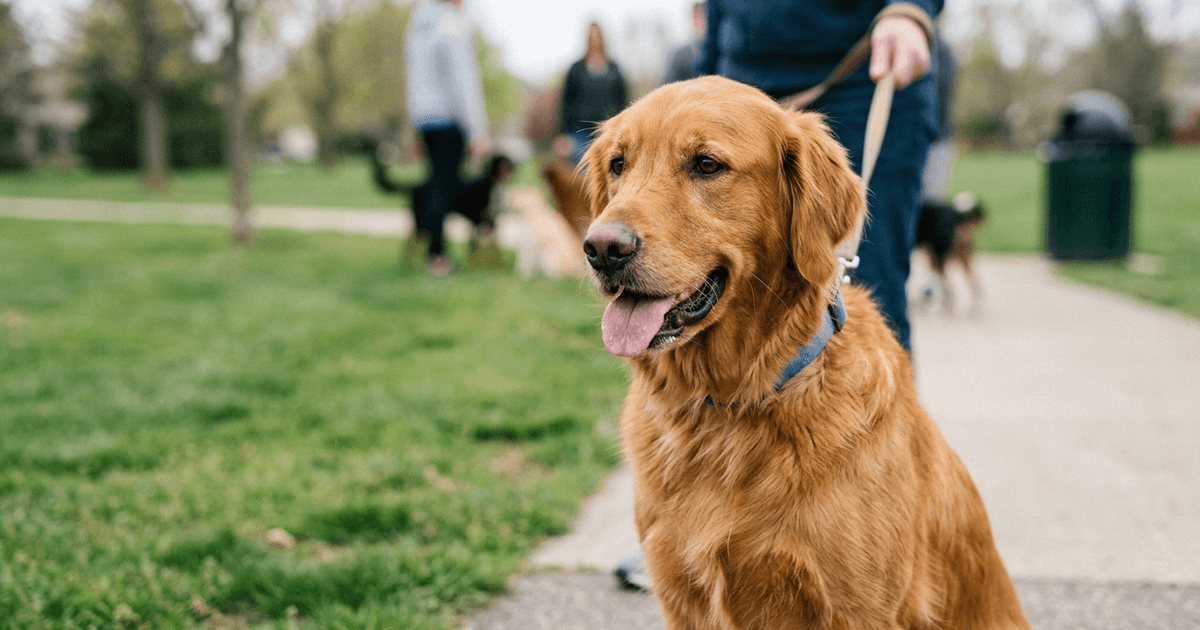
A dog panting in mild weather can look puzzling, especially when the room feels comfortable and the rest of the day seems ordinary. But panting isn’t only about heat. Dogs use it to cool themselves because they don’t sweat the way humans do, and it can also show up after exercise, when they’re excited, or when they’re briefly nervous.
The useful question isn’t simply “Is my dog panting?” It’s “Does this panting fit the moment, and does it settle when the moment passes?” Panting that follows a walk, a burst of play, a warm room, or a happy greeting can be normal if it eases once the dog rests and cools down. That kind of panting usually has a clear cause. Once the cause stops, the panting should, too.
Mild weather doesn’t rule out ordinary panting. A dog may still pant indoors after a fast romp in the yard, a stressful car ride, an exciting visitor at the door, or even just because the day has been more stimulating than it looked from the outside. In real life, that’s often the difference between a dog that’s simply having a worked-up afternoon and one that’s showing you something more serious.
Stress matters here because dogs don’t always announce it in obvious ways. Panting can appear when a dog is stressed, nervous, or excited. Owners often notice it during fireworks, thunderstorms, separation, car rides, or vet visits, but the trigger can be less dramatic: a new routine, a busy household, or a dog that seems unsettled and keeps roaming instead of relaxing. In those cases, panting is part of the body’s arousal response, not necessarily a sign of overheating.
Pain can look similar. A dog in pain may pant even when the weather is mild and the room is cool. That’s why the context matters so much. A dog that starts panting after a jump off the couch, after exercise that seemed routine, or while lying still and looking uncomfortable needs a closer look than a dog that panted briefly after running to the door.
The pattern that should make you pause is heavy panting at rest, panting without a clear reason, or panting that won’t settle. That kind of panting can point to pain, anxiety, heat stress, heart disease, or a hormonal disease such as Cushing’s. It’s less about the sound alone and more about persistence, timing, and what else has changed.
A few extra signs raise the stakes fast. Panting with bright red gums, drooling, weakness, confusion, unsteady walking, or collapse after heat or exercise can indicate heat stroke. Panting with blue, grey, or pale gums, a swollen hard belly, fainting, or sudden severe weakness is an emergency warning sign. Those combinations deserve immediate veterinary attention, not a wait-and-see approach.
The reason this distinction matters is simple: many dogs pant for ordinary reasons, but abnormal panting often shows up before owners are sure something is wrong. A dog can still be eating, still be wagging, and still be “mostly fine” while panting more than usual indoors. Reddit discussions reflect that everyday worry, with owners often asking about panting at rest or inside even when the dog otherwise seems normal. That concern isn’t silly. It’s often the first clue that something has changed.
So what should you watch? First, whether the panting has a clear trigger. Second, whether it stops once the trigger ends. Third, whether your dog seems comfortable or looks restless, weak, painful, or simply not themselves. A brief burst of panting after play is one thing. Panting that hangs around in a cool room, appears out of nowhere, or comes with other symptoms is something else.
If your dog is panting in mild weather but then settles fully after rest, and there are no other warning signs, it may fit a normal daily pattern. If the panting is new, persistent, heavy at rest, or tied to weakness, color changes in the gums, collapse, or a hard swollen belly, call a veterinarian promptly.
Related reading
Frequently Asked Questions
Sources & Further Reading
- Is occasional panting normal? My GSD keeps doing it and I'm ... - Reddit — owner discussion